
The “Good Wife’s Guide” of 1955: A Deep Dive
The “Good Wife’s Guide,” originating from Housekeeping Monthly’s May 1955 issue, sparked debate regarding its authenticity and origins, becoming a viral sensation in the early 2000s.
Online discussions, including those on Reddit and AnandTech Forums, question whether the article accurately reflects 1950s societal norms or is a later fabrication.
Despite skepticism, the guide’s content resonates with known misogynistic attitudes prevalent during that era, detailing expected wifely duties and behaviors towards husbands and children.
Origins and Publication Details
The “Good Wife’s Guide” initially surfaced as an article purportedly published in the May 1955 issue of Housekeeping Monthly magazine. However, its precise origins have been a subject of considerable debate and scrutiny, particularly in the 21st century. While frequently cited as originating from this specific issue, investigations, notably by Snopes, have cast doubt on its verifiable presence within the magazine’s archives.
Despite the questions surrounding its original publication, the guide gained significant traction online in the early 2000s, circulating widely across various internet forums and platforms. Discussions on sites like Reddit’s r/shittycoolguides and AnandTech Forums highlight the initial discovery and subsequent spread of the document. The claim of a 1955 Housekeeping Monthly origin consistently accompanies the text, even as skepticism regarding its authenticity grows.
The enduring appeal, and subsequent investigation, stems from the guide’s stark portrayal of traditional gender roles and expectations, prompting both fascination and criticism.
Housekeeping Monthly: The Source Magazine
Housekeeping Monthly, the alleged source of “The Good Wife’s Guide,” was a widely circulated American magazine popular throughout the mid-20th century. It catered primarily to homemakers, offering advice on domestic skills, recipes, home décor, and family life. The magazine served as a key influencer in shaping societal expectations for women during this period, reinforcing traditional gender roles and the importance of maintaining a well-managed household.
The magazine’s content consistently promoted the ideal of the happy housewife, dedicated to her husband and children. It featured articles designed to assist women in fulfilling these roles effectively, covering topics ranging from cleaning techniques to meal planning and childcare. Housekeeping Monthly’s influence extended beyond practical advice, contributing to the cultural narrative surrounding femininity and domesticity.
The purported association with Housekeeping Monthly lends a certain historical weight to “The Good Wife’s Guide,” even amidst questions of authenticity, as it aligns with the magazine’s established editorial focus.
The May 1955 Issue and its Context
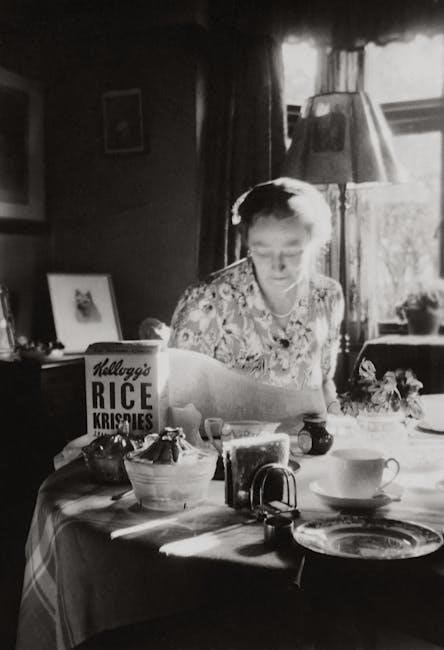
The year 1955 occupied a unique space in American history, marked by post-war prosperity and a strong emphasis on traditional family values. The Korean War had ended, fueling economic growth and a sense of national stability. Simultaneously, societal norms rigidly defined gender roles, with women largely expected to prioritize domesticity and motherhood. This context is crucial when considering the alleged publication of “The Good Wife’s Guide” in Housekeeping Monthly’s May issue.
The 1950s witnessed the rise of consumer culture, with new appliances and products marketed towards homemakers, promising to ease their burdens and enhance their domestic lives. However, this era also fostered a subtle pressure on women to conform to an idealized image of the perfect wife and mother.
The May 1955 issue, therefore, would have likely reflected these prevailing societal expectations, potentially providing a platform for advice reinforcing traditional wifely duties, regardless of the guide’s actual origin.

Content Analysis: Core Tenets of the Guide
The guide stresses a wife’s appearance, creating a welcoming home, prioritizing her husband’s needs, providing emotional support, and meticulously managing household finances and budgets.
Appearance and Presentation
The “Good Wife’s Guide” places significant emphasis on a woman’s physical appearance and presentation, dictating that a wife should always strive to be visually appealing to her husband. This wasn’t merely about vanity, but rather a perceived duty to maintain a pleasing and attractive demeanor.
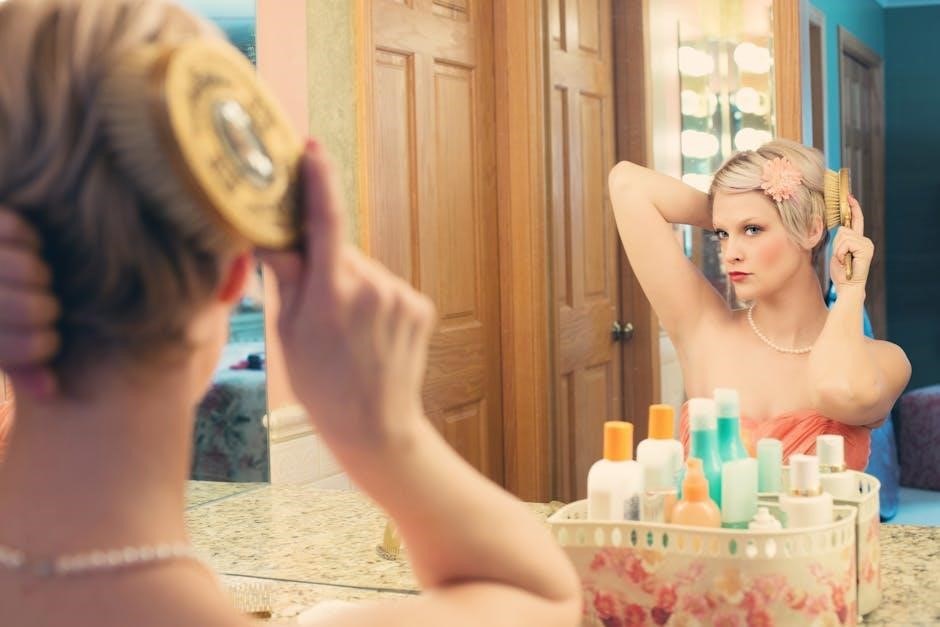
The guide suggests meticulous grooming, including appropriate attire, hairstyles, and makeup, even within the domestic sphere. A wife was expected to be “ready” for her husband’s return at any moment, presenting a polished and inviting image. This expectation reinforced the idea that a woman’s worth was largely tied to her physical attractiveness and her ability to please her husband.
Furthermore, the emphasis on appearance extended to the home itself, suggesting that a well-maintained and aesthetically pleasing environment reflected positively on the wife’s capabilities and dedication to her role. It was a visual representation of her commitment to domestic perfection;
The Importance of a Welcoming Home
The “Good Wife’s Guide” stresses the paramount importance of creating a haven for the husband – a home that is not merely a residence, but a sanctuary from the stresses of the outside world. This concept aligns with the 1950s ideal of the domestic sphere as a woman’s primary domain and responsibility.
The guide details specific actions a wife should take to ensure a welcoming atmosphere, including preparing a delicious meal, having the house impeccably clean, and maintaining a calm and peaceful environment. A husband’s arrival home should be met with warmth and attentiveness, signaling her devotion and prioritizing his comfort.
This emphasis on a welcoming home reinforces the societal expectation that a woman’s primary role was to provide emotional support and nurture her husband, creating a space where he could relax, recharge, and feel valued. The home was a direct reflection of her capabilities as a wife and homemaker.
Husband’s Needs: Prioritization and Fulfillment
The “Good Wife’s Guide” unequivocally prioritizes the husband’s needs above all else, framing the wife’s purpose as fulfilling his desires and ensuring his happiness. This reflects the deeply ingrained patriarchal norms of the 1950s, where a woman’s worth was largely defined by her ability to cater to her husband.
The guide advises wives to anticipate their husband’s needs, offering comfort, praise, and unwavering support. His opinions are to be valued, and disagreements should be avoided or handled with extreme tact to prevent upsetting him. A wife’s own desires and ambitions are conspicuously absent from this equation.
This prioritization extends to all aspects of domestic life, from meal preparation to leisure activities, all geared towards pleasing the husband. The guide essentially presents the husband as the central figure in the family, with the wife’s role being to facilitate his well-being and maintain his contentment.
Conversation and Emotional Support
The “Good Wife’s Guide” dictates a specific approach to conversation and emotional support, emphasizing the wife’s role as a receptive listener and enthusiastic admirer of her husband. Wives are instructed to avoid contentious topics or offering unsolicited advice, instead focusing on creating a relaxing and affirming atmosphere.
The guide suggests wives should be genuinely interested in their husband’s work and hobbies, offering praise and encouragement. Complaining or sharing personal problems is discouraged, as it might burden him after a long day. Emotional support is largely defined as bolstering his ego and validating his opinions.
Essentially, the wife is expected to be a constant source of positive reinforcement, a safe space for him to unwind, and a non-judgmental audience. Her own emotional needs are implicitly secondary, with the focus solely on maintaining his emotional equilibrium and bolstering his self-esteem.
Managing Finances and the Household Budget
The “Good Wife’s Guide” outlines a strict division of labor regarding finances, positioning the husband as the primary breadwinner and the wife as the meticulous manager of the household budget. While the husband earns, the wife is responsible for stretching every dollar, ensuring a comfortable home without exceeding allocated funds.
The guide emphasizes frugality and careful planning, suggesting wives keep detailed records of expenses and seek out bargains. Openly discussing financial concerns with the husband is discouraged; instead, she should present a unified front of financial stability. Her role is to make his income seem larger through skillful management.
Discretion is paramount – the wife should never reveal financial difficulties to outsiders. Essentially, she’s expected to be a silent, efficient financial administrator, maintaining the illusion of prosperity and shielding her husband from budgetary worries.

Social and Cultural Context of the 1950s
Post-war America idealized domesticity, reinforcing traditional gender roles where women were expected to prioritize home and family, while men focused on providing financially.
This era saw a surge in consumerism, targeting women as homemakers, and societal expectations for marriage and family were rigidly defined.
Post-War Gender Roles
Following World War II, a strong societal push towards traditional gender roles took hold in the United States. Men were largely encouraged to return to the workforce, becoming the primary breadwinners, while women were subtly, and sometimes not so subtly, steered back towards domesticity. This wasn’t necessarily a new phenomenon, but the war had temporarily disrupted these norms, and the post-war period saw a concerted effort to re-establish them.
The “Good Wife’s Guide” exemplifies this expectation; it explicitly outlines a wife’s duties centered around maintaining a happy home for her husband and raising children. The guide doesn’t acknowledge a woman’s potential for professional aspirations or independent interests, instead framing her value primarily through her domestic capabilities. This reflects a broader cultural belief that a woman’s fulfillment came from serving her family and creating a comfortable, nurturing environment.
This rigid structure was reinforced by media portrayals and societal pressures, creating a climate where deviating from these roles could lead to social ostracism. The emphasis on femininity and domestic skills became deeply ingrained, shaping expectations for women for decades to come.
The Idealized Domestic Sphere
The 1950s cultivated a powerfully idealized vision of the domestic sphere, portraying the home as a sanctuary of comfort, order, and familial bliss. This image was heavily promoted through advertising, television, and magazines like Housekeeping Monthly, creating a cultural aspiration for middle-class families. The “Good Wife’s Guide” directly contributes to this ideal, detailing how a woman could transform her house into this haven.
Cleanliness, efficiency, and a welcoming atmosphere were paramount. The guide emphasizes the importance of a spotless home, a well-prepared meal, and a cheerful demeanor to greet her husband after work. This wasn’t simply about practical tasks; it was about creating a space that reinforced his masculinity and provided respite from the pressures of the outside world.
This idealized home represented stability and national strength in the post-war era, reinforcing the notion that a woman’s primary role was to nurture and support her family within these carefully constructed domestic walls.
The Rise of Consumer Culture and its Impact on Women
The 1950s witnessed an unprecedented boom in consumer culture, profoundly impacting women’s roles and expectations. Post-war prosperity fueled a demand for new household appliances, furnishings, and products, all marketed heavily towards homemakers. Magazines like Housekeeping Monthly actively participated in this trend, showcasing the latest innovations and subtly reinforcing the idea that a woman’s worth was tied to her ability to maintain a modern, well-equipped home.
The “Good Wife’s Guide” implicitly supports this consumerism by assuming access to various conveniences and emphasizing the importance of creating a comfortable and aesthetically pleasing environment. It subtly encourages women to invest in products that would enhance their domestic performance and please their husbands.
However, this focus on consumption also served to confine women to the domestic sphere, defining their identities primarily through their roles as wives and mothers, and consumers.
Societal Expectations for Marriage and Family
The mid-1950s were characterized by rigid societal expectations surrounding marriage and family life. A prevailing belief held that a successful marriage hinged on clearly defined gender roles: the husband as the breadwinner and the wife as the homemaker. The “Good Wife’s Guide” perfectly encapsulates this ideology, outlining a wife’s duties as centered around supporting her husband’s needs and creating a harmonious home environment.
Divorce carried a significant social stigma, and women were often economically dependent on their husbands, reinforcing the expectation of lifelong commitment, even within unhappy marriages. The guide’s emphasis on anticipating a husband’s desires and prioritizing his comfort reflects the broader cultural pressure on women to maintain marital stability at all costs.
Family was considered the cornerstone of American society, and women were largely responsible for nurturing and raising children, further solidifying their domestic roles.
Debates Surrounding Authenticity and Origins
Snopes investigated the “Good Wife’s Guide,” questioning its 1955 origin, suggesting a potential hoax, while acknowledging the content’s alignment with prevalent mid-20th century misogyny.
Snopes Fact-Check and the Question of a Hoax

Snopes conducted a thorough fact-check of the “Good Wife’s Guide” in August 2023, addressing the widespread claims of its origin in the May 1955 issue of Housekeeping Monthly. Their investigation revealed a lack of definitive proof confirming its publication within that specific issue.
While the content undeniably echoes the societal expectations and gender roles of the 1950s, Snopes couldn’t locate the article in readily available archives of the magazine. This absence fueled speculation that the guide might be a fabrication, a later creation designed to satirize or highlight the restrictive norms of the era.
However, the fact-check acknowledged that even if the guide wasn’t directly published in Housekeeping Monthly in 1955, the advice itself wasn’t entirely implausible for the time. Similar sentiments were frequently expressed in various advice columns and publications targeting women during that period, suggesting the content’s roots lie within the broader cultural context of the 1950s, regardless of its specific origin.
Early 2000s Circulation and Online Spread
The “Good Wife’s Guide” began gaining significant traction online in the early 2000s, circulating primarily through email chains and early internet forums. Its initial spread predates widespread social media, relying on word-of-mouth and the sharing of digital copies across nascent online communities.
AnandTech Forums documented discussions about the guide as early as May 2010, indicating its presence within tech-focused online spaces. This early circulation often accompanied commentary questioning its authenticity, yet simultaneously acknowledging the plausibility of its content reflecting mid-20th century attitudes.
The guide’s shock value – the stark contrast between its advice and contemporary feminist ideals – contributed to its virality. It became a frequently shared example of historical gender inequality, sparking debate and prompting users to dissect its implications. This initial online exposure laid the groundwork for its later resurgence on platforms like Reddit.
Potential Roots in Earlier 20th-Century Advice
While attributed to the May 1955 issue of Housekeeping Monthly, the sentiments expressed in “The Good Wife’s Guide” didn’t emerge in a vacuum. Similar advice regarding a woman’s domestic role and subservience to her husband permeated popular literature and magazines throughout the earlier 20th century.
Preceding decades featured countless articles and books reinforcing the “cult of domesticity,” emphasizing a woman’s primary purpose as a wife and mother; These publications often detailed expectations for maintaining a spotless home, pleasing one’s husband, and raising children according to strict gender roles.
The guide’s content echoes themes found in earlier etiquette manuals and household management guides, suggesting it wasn’t a radical departure from prevailing norms. It likely synthesized existing advice, repackaging it for a post-war audience still largely adhering to traditional gender expectations, even if questioning them privately.
Modern Reactions and Interpretations
The Guide elicits strong feminist critiques, viewed as deeply misogynistic, while historical analysis contextualizes it within 1950s societal norms, sparking ironic and satirical discussions.
Feminist Critiques and Misogyny
The “Good Wife’s Guide” faces substantial feminist criticism for its overtly misogynistic content, reinforcing deeply problematic gender roles and expectations of women in the mid-20th century. The guide’s instructions, detailing how a wife should cater to her husband’s needs and maintain a perfectly ordered home, are seen as inherently demeaning and restrictive.

Critics argue that the document actively diminishes a woman’s agency, intellect, and individuality, reducing her worth to her domestic capabilities and her husband’s satisfaction. The emphasis on appearance, subservience, and emotional labor perpetuates harmful stereotypes that limit women’s potential and reinforce patriarchal power structures.
Modern feminist perspectives highlight the guide as a stark reminder of the historical oppression faced by women and the ongoing struggle for gender equality. The document serves as a cautionary tale, illustrating the dangers of societal expectations that confine women to traditional roles and deny them opportunities for self-fulfillment and autonomy. The guide’s resurgence in online discussions often sparks outrage and serves as a catalyst for conversations about contemporary misogyny.
Historical Analysis vs. Contemporary Values

Analyzing “The Good Wife’s Guide” requires a delicate balance between historical context and contemporary values. While condemning its misogynistic tenets through a modern lens is justifiable, understanding the societal norms of the 1950s is crucial for a nuanced interpretation.
The post-war era witnessed a strong emphasis on traditional family structures and gender roles, fueled by consumer culture and societal expectations. Viewing the guide solely as a reflection of these prevailing attitudes, rather than a prescriptive ideal universally embraced, offers a more accurate historical assessment.

However, this historical understanding doesn’t negate the harm caused by such ideologies. Contemporary values prioritize gender equality, individual autonomy, and shared responsibilities within relationships – principles fundamentally at odds with the guide’s directives. The dissonance between past and present highlights the significant progress made in challenging patriarchal norms, while simultaneously reminding us of the enduring need for vigilance against regressive ideologies.
The Guide as a Reflection of a Bygone Era
“The Good Wife’s Guide” serves as a stark reminder of a bygone era, encapsulating the societal expectations placed upon women in mid-20th century America. It’s a time capsule of prescribed behaviors, emphasizing domesticity, subservience, and the prioritization of a husband’s needs above one’s own.
The guide’s focus on maintaining a welcoming home, managing finances, and providing unwavering emotional support reflects the limited opportunities available to women outside the domestic sphere. It illustrates a period where a woman’s worth was largely defined by her ability to fulfill her roles as wife and mother.
While often viewed with irony and even outrage today, the guide’s enduring appeal lies in its ability to provoke discussion about the evolution of gender roles and the ongoing struggle for equality. It’s a historical artifact that prompts reflection on how far society has progressed – and how much further it still needs to go.
Irony and Satire in Modern Discussions
“The Good Wife’s Guide” frequently surfaces in modern online discourse, often accompanied by heavy doses of irony and satire. Its antiquated advice – detailing how to please a husband and manage a household – is now widely considered absurd and even offensive by contemporary standards.
Platforms like Reddit are filled with humorous takes on the guide, with users playfully imagining the consequences of adhering to its rules. This satirical approach allows for a critical examination of the deeply ingrained misogyny present in the text, while simultaneously providing a cathartic release.

The guide’s viral spread is fueled by its shock value and its ability to highlight the dramatic shifts in gender dynamics over the past several decades. It serves as a potent reminder of past inequalities, prompting discussions about feminism, empowerment, and the ongoing pursuit of a more equitable society.